Sustainable Hardscaping: Eco-Friendly Materials for Modern Gardens Mar 16, 2026
One of the primary materials to consider for sustainable hardscaping is permeable pavers. These pavers allow rainwater to filter through, reducing runoff and promoting natural drainage. This can greatly lessen the risk of flooding while also maintaining water supplies for adjacent plants. Permeable pavers are available in a range of designs and colors, ensuring that you don’t have to sacrifice beauty for sustainability.
Reclaimed wood is another excellent material for environmentally-conscious garden design. By using wood that has been previously used in buildings or other structures, you can reduce the need for new timber production, which often leads to deforestation. Reclaimed wood adds a rustic charm to garden paths, patios, and decking spaces. It is not only a unique aesthetic choice but also a testament to your commitment to eco-friendly practices.
Recycled materials, such as crushed glass or rubber, can be transformed into durable, vibrant surfaces for your garden. These innovative materials can be used in various applications, from pathways to decorative elements. Using crushed glass, for example, can create striking mosaic patterns that reflect light beautifully, adding a touch of sparkle to your garden.
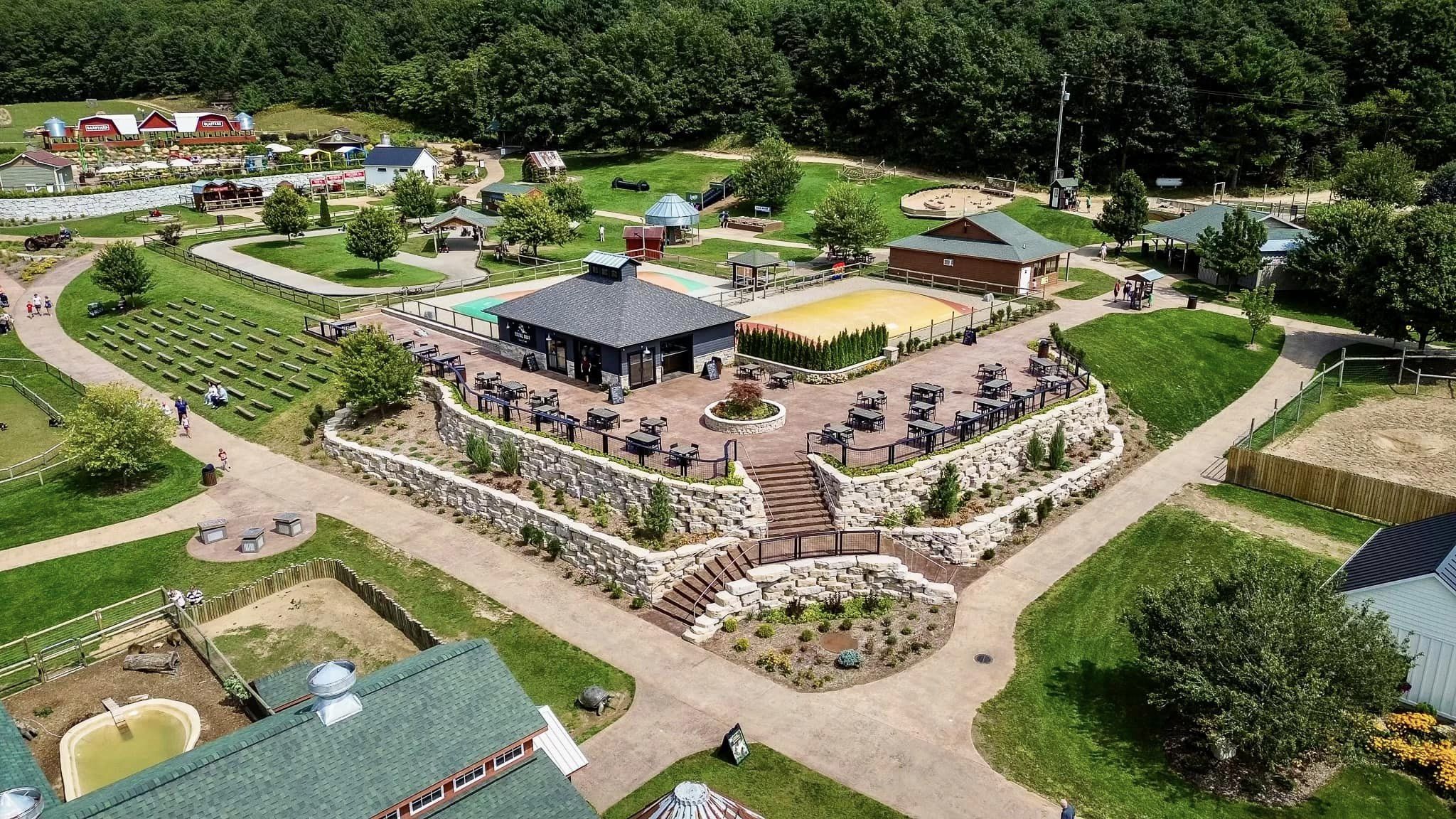
Natural stone, while not as obviously eco-friendly, can still be a sustainable choice when sourced responsibly. Choose local suppliers where possible to reduce the carbon footprint associated with transport, and opt for quarries with environmentally responsible practices. Natural stone is incredibly durable and versatile, offering a timeless look that blends seamlessly with the natural environment.
Incorporating native plants into your garden design can also enhance sustainability. Native species are adapted to local climate conditions, reducing the need for excessive watering and chemical inputs. Border your hardscape areas with native plants to create a harmonious connection between your landscaped elements and the natural ecosystem. This not only supports local wildlife but also reduces maintenance requirements.
Finally, solar lighting is an excellent addition to any sustainable garden. Solar lights draw energy from the sun, illuminating your pathways without contributing to energy consumption. Many solar lights come in stylish designs that complement hardscaping materials, providing both functionality and allure.
In conclusion, sustainable hardscaping is more achievable than ever, with a wide array of eco-friendly materials and designs available. By choosing permeable pavers, reclaimed wood, recycled materials, responsibly sourced natural stone, native plants, and solar lighting, you can craft a garden that is both modern and mindful of the environment. Greenscape Lawns is committed to helping you integrate these sustainable practices into your hardscaping projects, creating spaces that you and future generations can enjoy.
As you plan your garden, consider how each element can contribute to a sustainable future. Whether you’re updating existing elements or starting fresh, eco-friendly hardscaping materials are the key to aligning beauty with responsibility, ensuring your garden is a flourishing part of nature, and a joy to behold.
/filters:no_upscale()/filters:format(webp)/media/2b3c6727-9d53-4ceb-8adc-7b12740432c1.jpeg)